
Ecotones of the Andean Flanks

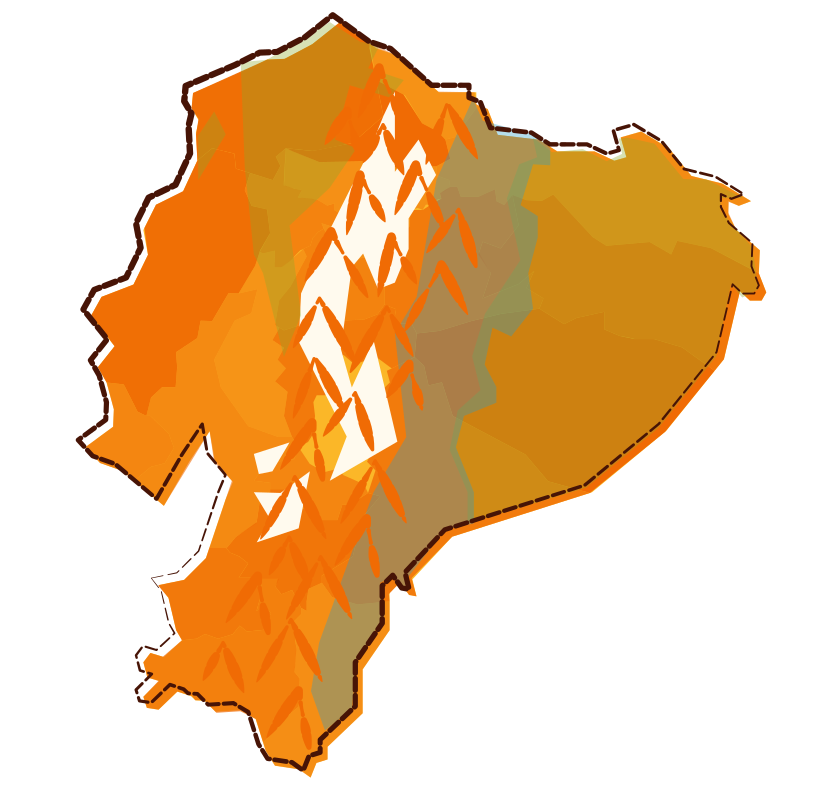
Páramo; High Andean Grasslands (3,200–4,800 m)
The Páramo is a high-altitude ecosystem above the treeline. The temperature is cold, often near 0–10°C, and the wind is strong.
Plants are adapted to these conditions. The frailejones (Espeletia pycnophylla) store water in their thick leaves. Cushion plants like Azorella compacta grow low to protect against frost.
Animals include the Andean fox (Lycalopex culpaeus), the mountain tapir (Tapirus pinchaque), and birds like the Andean condor (Vultur gryphus).
Fun Fact: Páramo soils act like sponges, regulating water flow for lower ecosystems. Rivers like the Pastaza River start here.
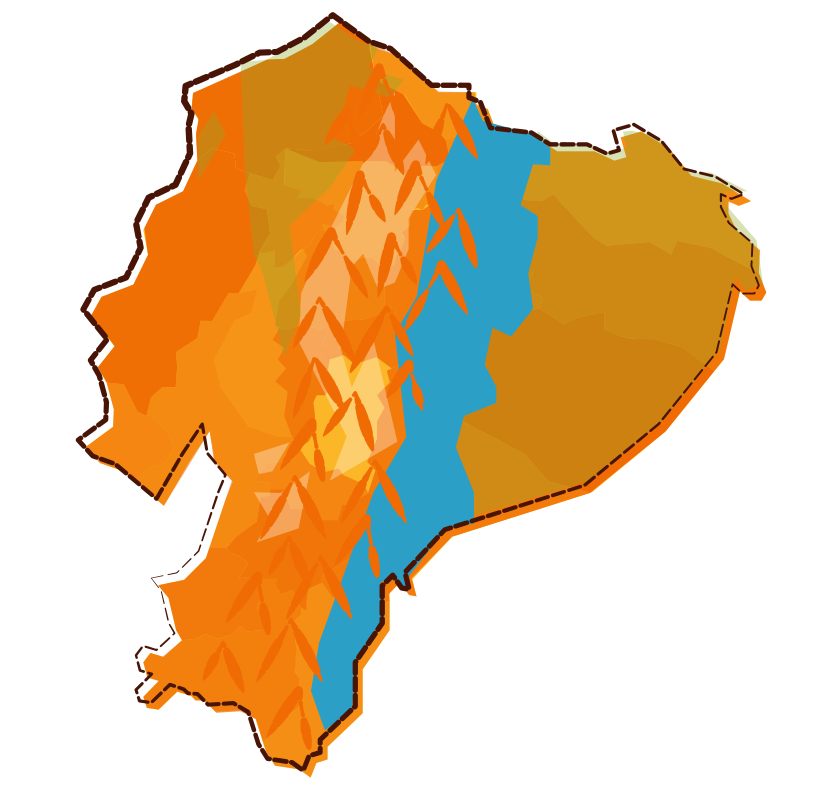
Middle Montane Cloud Forests (1,500–3,200 m)
The cloud forest is wet and humid, with constant mist. Trees are covered in moss, epiphytes, orchids, and bromeliads such as Tillandsia spp. and Catasetum orchids.
Wildlife is diverse. You can find spectacled bears (Tremarctos ornatus), Andean cock-of-the-rock (Rupicola peruvianus), and many frog species, including Pristimantis spp.
Land here is both wild and cultivated, with Kichwa communities growing cacao (Theobroma cacao), bananas (Musa spp.), yucca (Manihot esculenta), and medicinal plants like guayusa (Ilex guayusa).
Fun Fact: Cloud forests capture condensation blocked by the Andes, creating its iconic fog. They are biodiversity hotspots, often with species endemic to small areas.
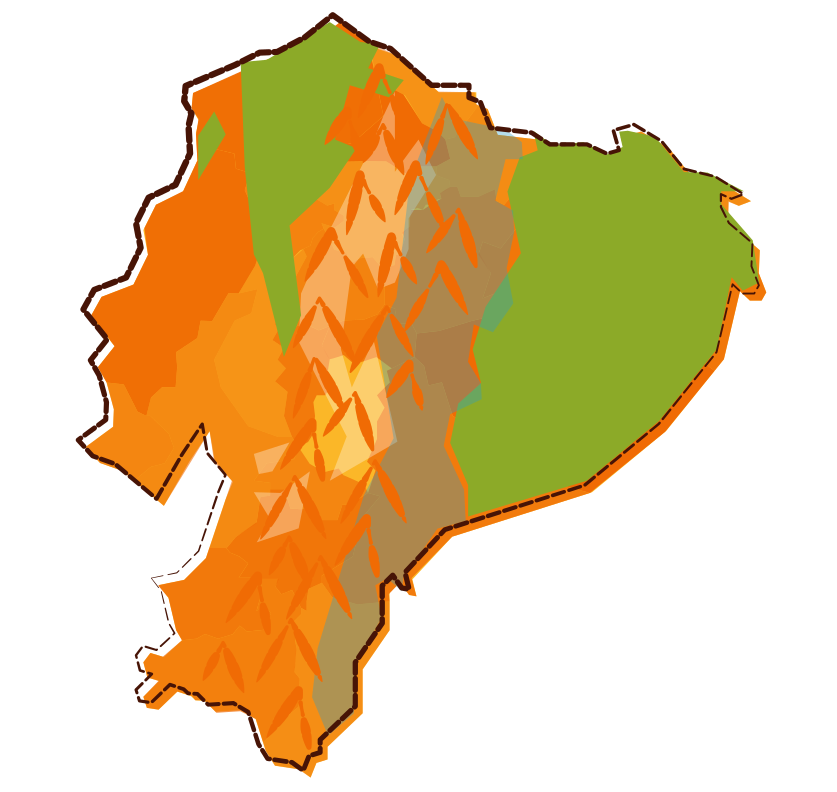
Lowland Tropical Rainforests (<1,500 m)
The rainforest is warm, humid, and densely vegetated. Large canopy trees include Ceiba pentandra, Cedrela odorata, and palms such as Mauritia flexuosa.
Wildlife is rich, with birds like the scarlet macaw (Ara macao) and harpy eagle (Harpia harpyja), mammals including the giant anteater (Myrmecophaga tridactyla) and jaguar (Panthera onca), and reptiles like caimans (Caiman crocodilus). Amphibians and insects in this region are extremely diverse, creating a hotbed of scientific exploration.
Kichwa and Shuar communities manage forest gardens, rivers, and trails, harvesting food, medicine, and craft materials like balsa wood (Ochroma pyramidale).
Fun Fact: This ecosystem is one of the most biodiverse on Earth, with over 2,300 tree species alone–that’s one-third of tropical tree species on Earth.