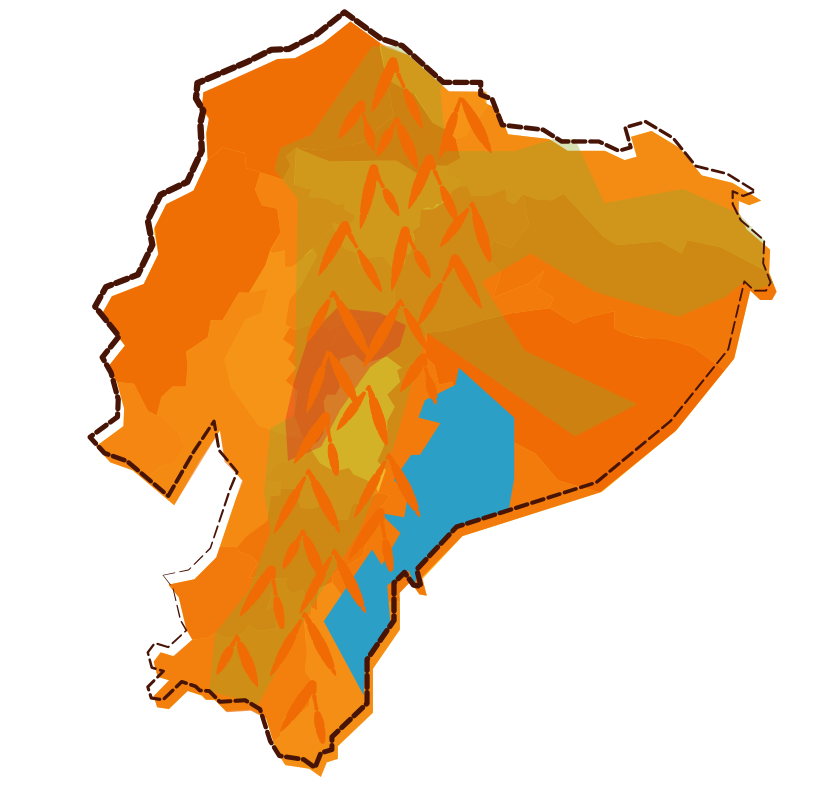
Cultures of the Andean Flanks

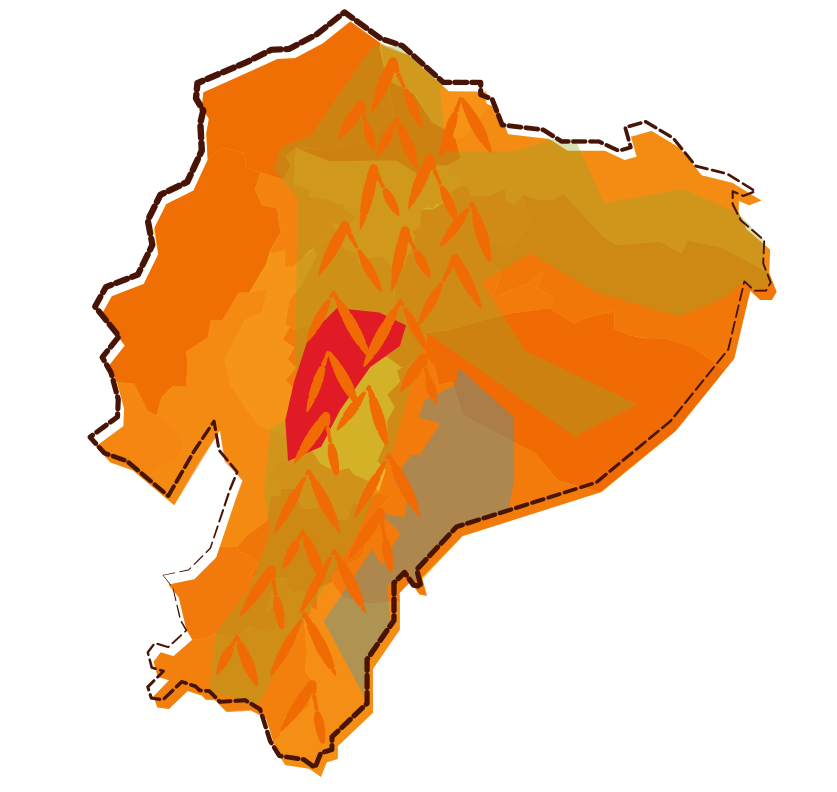
Highland Cultures (>3,200m) – Puruhá & Highland Kichwa
The Puruhá and Highland Kichwa live in terraces and valleys near mountains like Chimborazo Volcano.
They’ve historically grown crops like potatoes (Solanum tuberosum), quinoa (Chenopodium quinoa), and barley (Hordeum vulgare). They cohabitate with animals such as llamas (Lama glama), and alpacas (Vicugna pacos).
Both cultures are known for practices like weaving wool into colorful blankets using natural dyes, the annual Inti Raymi festival to honor the sun and mountains, and using the sacred mountains (apus) to guide daily life and water use.
Additionally, Puruhá are known for their iconic Panama hats and red ponchos.
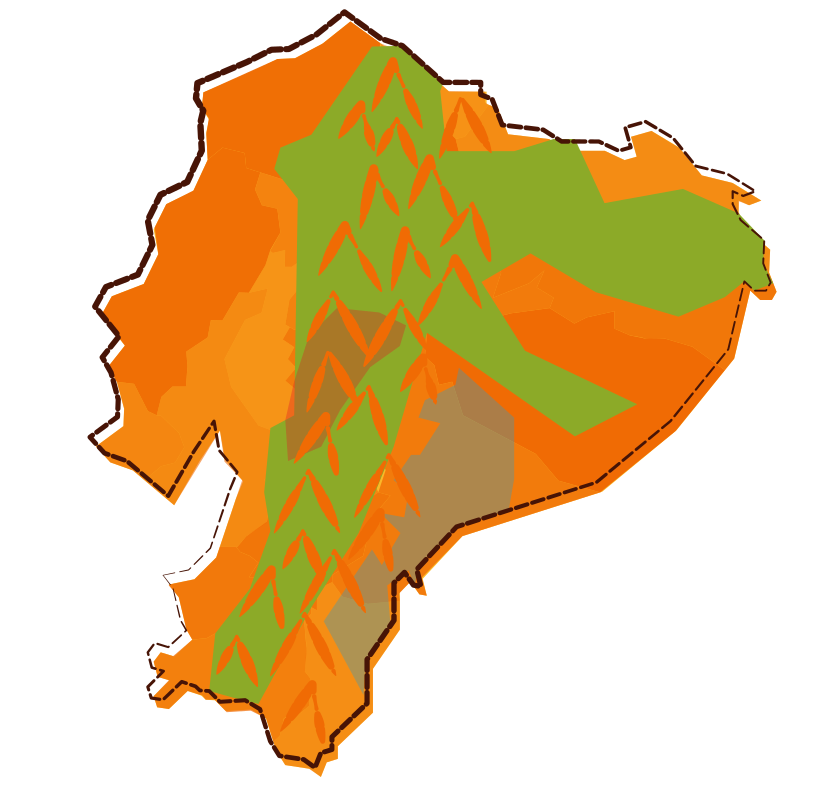
Middle Montane Culture (1,500–3,200 m) – Quechua del Oriente
While Kichwa culture can be found up and down the Andes, Kichwa del Oriente communities dominate the middle flanks, practicing chakra agriculture, mixing crops for food, medicine, and timber.
Common crops include cacao (Theobroma cacao), banana (Musa spp.), guava (Psidium guajava), and yucca (Manihot esculenta) for food, and guayusa (Ilex guayusa) and ayahuasca (Banisteriopsis caapi) for medicinal and cultural practice.
These Kichwa are also proficient in forest-based knowledge like plant identification, hunting, and medicinal uses.
They make dishes such as maito (fish roasted in leaves), and learn ritual songs and ceremonies to connect people to rivers and forest.
Lowland Cultures (<1,500m) – Shuar
Shuar communities live deep in the rainforest. To the Shuar, the forest and its waterfalls are home, neighborhood, and school.
Their diets consist of native forest species such as camu camu (Myrciaria dubia), plantains (Musa spp.), and manioc (Manihot esculenta). Medicinal plants are harvested daily, and now are studied scientifically. They are known for weaving, canoe building, and balsa wood objects known as animojos.
The Shuar navigate rivers using dugout canoes and pass knowledge about plants, animals, and forest spirits through stories.